
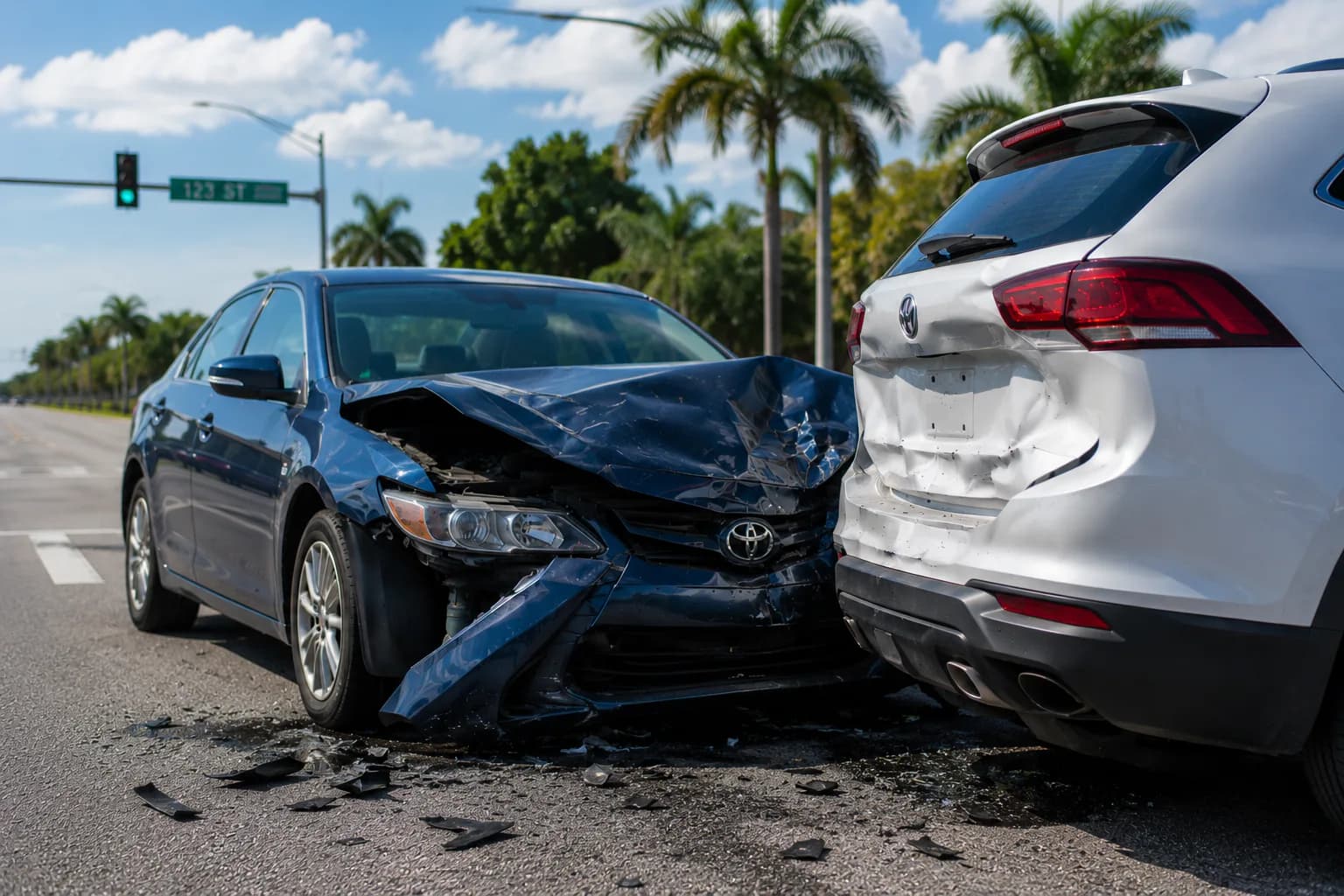
Tampa Bay crash guide
What to Do After a Car Crash in Tampa Bay
From the scene of a car accident to the weeks that follow, this guide explains what to do after a crash in Tampa Bay, what to keep track of, and what to expect along the way.
Not sure what comes next? Megan can work directly with you to understand what happened, make sense of the insurance process, and help you understand your options.
Contact us 24/7 for a free consultation.


A note from Megan
You do not have to figure everything out at once.
I’m Megan Cummings, a Florida personal injury trial lawyer and the founder of Magnolia Shield Law. I’ve spent more than a decade helping people throughout Tampa Bay and across Florida after serious injuries.
You do not need to have every answer right away. This guide will help you understand what needs attention now and what can wait. Focus on safety first, save what you can, and take the next step with the information you have.
Written by
Megan Cummings, founder and Florida personal injury trial lawyer
Your first few weeks after a crash
Your next steps, at a glance.
These phases may overlap. Use them to organize your next steps, not as waiting periods or deadlines. Get medical care when you need it.
Safety and reporting
Focus on safety first, then document what happened.
02 · Before leaving the sceneSave what is safely available
Collect details that may be difficult to recover later.
03 · Next 24 hoursCare, notify, and organize
Address health, insurance, the vehicle, and early requests.
04 · Days 2–14 and beyondContinue care and keep records
Keep records current and resolve open questions.
Phase 01 · At the Scene
Safety and reporting
Focus on safety first, then document what happened.People come first
Check for Injuries
Check yourself and your passengers first, then others when it is safe to do so. Call 911 when emergency assistance may be needed and follow the dispatcher’s instructions. Remain at the scene, move to a safe nearby location when appropriate, and provide reasonable assistance.
Some injuries and vehicle damage may not be obvious right away. Pay attention to how you and your passengers feel, and seek medical care for new or changing symptoms. Do not delay emergency care to inspect or photograph a vehicle.
Reach a safer place
Move to Safety
Turn on your hazard lights and watch for traffic, fire, leaking fluids, and other immediate hazards. Florida law requires a disabled vehicle that blocks traffic to be moved out of the regular flow when it can be done safely. Do not try to drive a vehicle that may be unsafe. Moving to safety is not the same as leaving the scene before completing the steps that apply.
Make the call
Contact Law Enforcement
Report the crash when emergency help is needed or when Florida law requires it. Tampa Bay crosses city, county, and state jurisdictions, so the responding agency may be city police, a county sheriff, or the Florida Highway Patrol depending on the location.
Cooperate with responding officers, give accurate observations, and say when you do not know or do not remember. Save the agency name and report or event number.
Across Tampa Bay: Crashes in Hillsborough, Pasco, and Pinellas counties may be handled by different law-enforcement agencies depending on exactly where the crash occurred. If you are unsure who to contact, call 911 for an emergency or a local non-emergency dispatcher for guidance.
Phase 02 · Before Leaving the Scene
Save what is safely available
Collect details that may become difficult to recover later.Save what may change
Document the Scene
When it is safe, take wide photos of the roadway and vehicle positions. Then photograph damage, license plates, traffic controls, surroundings, debris, skid marks, and visible injuries when appropriate. Save dashcam or vehicle-camera footage before it is overwritten. Note nearby cameras, and keep original files separate from edited or shared copies.
Exchange the essentials
Exchange Information
Florida law requires drivers involved in certain crashes to exchange identifying and vehicle information. When available, drivers must also show a driver license on request. Before leaving the scene, collect the information below when it is safe to do so.
Information to Collect
- Other driver's name and contact information
- Driver's license
- Insurance company and policy information
- License plate and vehicle information
- Vehicle owner's information, if different from the driver
- Responding agency and report or event number
- Tow company and vehicle destination, if applicable
What Florida requires: Your name, address, and vehicle registration information must be provided, and an available driver license shown when requested. The other details above can help with insurance, repairs, towing, and follow-up.
If your car was towed: Find the vehicle, confirm daily storage charges, retrieve your belongings, and find out who will inspect it.
Identify witnesses
Gather Witness Information
Ask each witness for reliable contact information and, if possible, make a brief note of what they saw. Let them describe what happened in their own words without suggesting what they should say.
Situational guidance
Does the type of crash change what to save?
Every crash is different, and the information that matters can depend on the vehicles, people, and insurance coverage involved. If you are unsure what to look for, we can review what you have and help you figure out what may still need attention.
Phase 03 · Next 24 Hours
Care, notify, and organize
Some of these steps may begin sooner. “Next 24 hours” is meant to organize the guide, not suggest that you should wait.Pay attention to your health
Seek Medical Attention
Get medical care when you need it. Be clear about what you are feeling, mention any new or changing symptoms, follow your provider’s instructions, and keep the records you receive. Do not wait until the next day simply because this guidance appears in Phase 3.
Insurance notification
Notify Your Insurer
Contacting law enforcement or obtaining a crash report does not automatically notify your insurance company. Report the crash as required by your policy. Save the claim number and adjuster’s contact information, and keep a simple log of conversations, dates, and requested documents. Policies differ, so do not assume every insurer uses the same deadline or process.
Vehicle and towing
Locate the Vehicle and Confirm What Happens Next
Confirm the tow yard’s name, address, contact information, storage charges, and process for retrieving belongings. Ask who will inspect the vehicle and who can authorize repairs, transfer, or disposal. Photograph the vehicle before major changes when safely permitted, and keep repair, valuation, rental, rideshare, and transportation receipts. Storage charges may continue while the vehicle remains at the facility.
Keep everything together
Preserve All Records
Keep everything related to the crash in one place, including original photos and videos, report information, medical documents, towing records, insurance correspondence, receipts, and a simple contact log. Keep a backup when possible. Phase 4 explains what to add as more records arrive.
Pause before responding
Review Requests Before You Respond
Before you respond to a request, make sure you understand who is asking, what they want, and why they need it. Your own policy may require cooperation with your insurer, while another party’s insurer may be asking for something different. Before giving a recorded statement or signing an authorization, release, or settlement, understand whether participation is required and which claims the document may affect. Ask for help when the answer is unclear.
Phase 04 · Days 2–14 and Beyond
Continue care and keep records
As things develop, keep your records organized and follow up on anything that is still unresolved.Health follow-through
Continue Care and Track Changes
Follow your provider’s instructions, report new or changing symptoms, and attend recommended follow-up appointments. Keep simple, dated notes about appointments, symptoms, and changes in your daily activities. These notes can help you explain what you are experiencing accurately. Insurance timing rules do not replace appropriate medical care.
Ongoing organization
Keep Your Records Current
What to Save
- Medical bills, visit records, prescriptions, and explanations of benefits
- Repair estimates, valuations, rental information, and transportation receipts
- Missed-work dates, available pay records, and employer documentation
- Insurer correspondence and records of relevant out-of-pocket expenses
These records can help document your medical expenses, missed income, property damage, symptoms, and how the crash has affected your daily life.
Open items
Follow Up on Reports and Requests
Obtain the crash report when it becomes available. Keep track of unresolved insurance, repair, towing, or vehicle issues, and read documents before signing them.
If you are unsure about a deadline, coverage question, statement, authorization, release, or preservation issue, ask for case-specific guidance. Florida generally provides two years for a negligence lawsuit, but that period does not apply to every claim, defendant, notice requirement, or necessary step.
When details are missing
Start with what you have.
Crashes are chaotic. You may get home and realize you missed a photo, a witness’s information, details from the other driver, or something an insurance company asked for.
It is completely normal to leave the scene without every photo, name, or piece of information this guide mentions. Missing something does not mean you are out of options. If you need help figuring out what can still be found or what to do next, I can help.
How Magnolia Shield Law Can Help
Focus on your recovery. I’ll help you with what comes next.
After a crash, there can be a lot to manage at once, from medical care and insurance questions to vehicle repairs, paperwork, and unexpected requests. You do not have to sort through all of it on your own.
I stay personally involved in every case my firm handles. That starts with taking the time to understand what happened, what you are dealing with now, and what matters most moving forward. From there, I can help gather the information we need, communicate with the insurance companies, work through issues as they come up, and explain what is happening so you know what to expect.

Common questions
Questions that often come next.
Here are some common questions that come up after a crash. Every accident is different, and the details can affect what comes next. If you have questions about your situation, feel free to contact me directly.
What if I could not take photos or exchange information at the scene?
Start with what you have. Save the report or event number, tow records, repair photos, messages, passenger information, and possible camera locations. We can help identify what information may still be available.
What if symptoms appear after I leave the scene?
Seek medical care for new or worsening symptoms and explain when they began. Call 911 in an emergency. Florida PIP generally requires qualifying initial care within 14 days for medical benefits, but do not delay care when you need it. We can help you understand how treatment records and insurance requirements may affect your next steps.
What if the other driver does not have insurance?
Do not assume you are out of options. PIP, collision, or uninsured or underinsured motorist coverage may apply depending on your policy. We can review the available coverage and help you understand your options.
What if the insurance company asks me for a recorded statement?
Before giving a recorded statement, find out which insurance company is asking and whether you are required to provide one. Your own policy may require you to cooperate with your insurer, but a request from another driver’s insurer may be different. If you give a statement, stick to what you know and remember. Avoid guessing, accepting blame, or making assumptions about injuries that may still be developing. We can review the request and help you understand what may be required before you respond.
What if I think I was partly at fault?
You may still have a claim even if you think you were partly at fault. Florida law considers each party’s share of responsibility, which can affect whether and how much you may recover. Fault is not always clear right after a crash, so it can help to have the facts reviewed before assuming you do not have a case. We can look at what happened and help you understand your options.
This guide is here to help you understand some of the steps that may follow a crash in Florida. Because every situation is different, it should not replace legal advice about your specific circumstances. Reading this guide does not create an attorney-client relationship.
Updated September 20, 2026
Primary sourcesView the rules behind the guide.
- Florida Statutes § 316.027: crashes involving injury or death
- Florida Statutes § 316.061: crashes involving vehicle or property damage
- Florida Statutes § 316.062: required information and reasonable assistance
- Florida Statutes § 316.065: immediate crash notice
- Florida Statutes § 316.066: written reports and access
- Florida Statutes § 316.071: disabled vehicles obstructing traffic
- FLHSMV: driver self-report instructions and crash-report access
- Florida Statutes § 627.730: Florida Motor Vehicle No-Fault Law
- Florida Statutes § 627.736: PIP benefits and initial-care timing
- Florida Statutes § 627.727: uninsured and underinsured motorist coverage
- Florida Statutes § 95.11: limitations periods
- Florida Statutes § 768.81: comparative fault
Direct answers. No pressure.
Talk directly with Megan about what happened.
Available 24/7/365. Bilingual staff can assist in English or Spanish.